

Question: As a highly sensitive person, I find it difficult to leave a toxic relationship. Because of this, I feel stressed and emotionally drained all the time. I have no desire to have all this drama and chaos in my life, but it’s a position I’ve been in before. I seem to be a magnet for toxic people! Is this a common characteristic of highly sensitive people? What can I do to avoid repeating this pattern?

Answer: Anyone can end up in a difficult relationship, but certain traits can make highly sensitive people more susceptible.
Why Highly Sensitive People May Be More Vulnerable
Emotional abusers often seek out people who respond strongly to their tactics and are less likely to push back. HSPs feel deeply, which makes us prime targets for emotional manipulation. We also tend to avoid conflict, which can lead us to tolerate bad behavior longer than we should, sometimes far beyond what is healthy.
Understanding these tendencies is the first step toward changing the pattern. And one of the most important factors to look at is boundaries.
How Boundaries Play a Role
Many HSPs have trouble setting and enforcing boundaries. We may merge our identity with another person’s and, if we’re also empaths, absorb their emotions as our own. This emotional permeability makes it easy to take on stress, anxiety, and negativity—all traits a toxic person can exploit.
The good news? Boundaries can be learned and strengthened. And the same qualities that make us vulnerable can also become our greatest line of defense.
Turning Sensitivity into a Strength
The sensitivity that sometimes leaves us exposed can also protect us. HSPs are highly intuitive and observant; we are quick to notice patterns and subtle red flags. These skills can serve as both radar and armor, but only if we trust and act on them.
The challenge, especially in romantic relationships, is that our emotional connection can cloud our ability to see the warning signs for what they are. That’s why it’s important to examine not only what we sense, but also the choices we make in response to those signals.
Are You Attracting Toxic People—or Choosing Them?
Even when we notice the red flags, our habits, fears, or unmet needs can still lead us into unhealthy dynamics. That’s why it’s important to look deeper, not just at who we attract, but at why we allow certain people to remain in our lives.

Feeling like a “magnet” for toxic people may be less about fate and more about patterns we unconsciously repeat. Some HSPs are drawn to troubled people out of a desire to help or “rescue” them.
It’s worth asking: What am I getting from this relationship? And why do I stay? Is it fear of being alone, believing I can’t do better, or hoping things will improve? Unfortunately, research shows most toxic relationships worsen over time, sometimes escalating from emotional to physical abuse.
Recognizing these dynamics is essential, but knowing when change is actually possible is just as important.
When Change Is Possible
Not every troubled relationship is beyond repair. The only real exception is when both people are genuinely committed to building healthy patterns and doing the necessary work to make it happen.
In that case, therapy can be invaluable, offering perspective, conflict-resolution skills, and practical strategies for setting and maintaining boundaries. However, if only one person is committed to change, the imbalance will almost always lead back to the same unhealthy patterns.
The High Cost of Staying
Even with that hope, it’s important to face the reality: leaving a toxic relationship is never easy, but staying can be far more damaging. Over time, these relationships erode self-esteem, limit growth, and can trigger anxiety, depression, PTSD, and even physical illness.
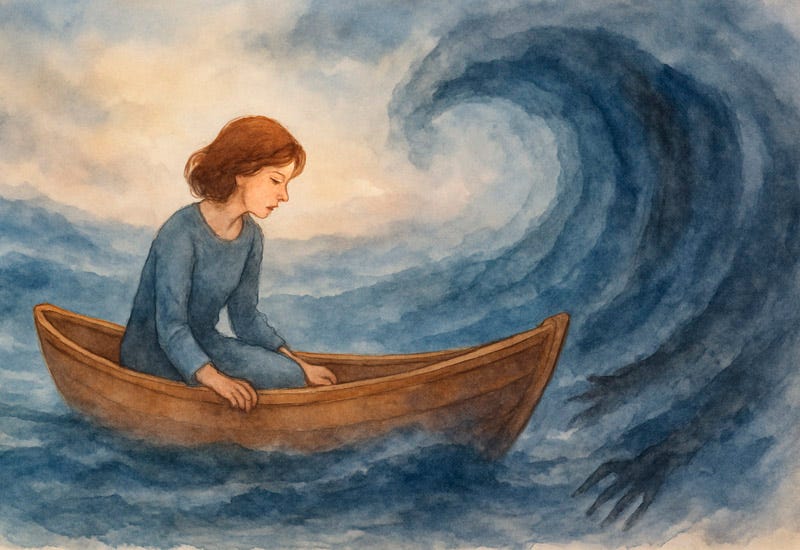
Walking away can be profoundly empowering. You may not feel that way at first, but with time, you’ll likely discover that you’re stronger than you realized—and far calmer without someone else’s chaos dictating your life.
Unconventional Wisdom From My Journey

Here’s what I’ve learned about toxic relationships:
You can love someone and still walk away. Love isn’t enough if there’s no safety, respect, or reciprocity. Love without boundaries becomes a trap.
Not everyone belongs in your inner circle. You don’t have to justify distancing yourself from people who exhaust you. Your nervous system has wisdom. Listen to it.
Healing means redefining what “normal” feels like. If you’ve spent years in high-conflict dynamics, calm might feel boring or even suspicious. Let it feel awkward for a while. Peace takes getting used to.
Toxic doesn’t mean “evil.” It is incompatible with your well-being. Some people are not bad—they’re just bad for you. It’s okay to choose yourself without villainizing others.
Forgiveness is not the same as reconciliation. You can forgive someone in your heart and still never let them near your energy again. That is healing.
Final Thoughts

Breaking free from toxic dynamics is an act of genuine self-respect. You don’t need to “toughen up” to avoid these relationships—you need to trust your instincts, honor your boundaries, and believe you deserve connections that nourish rather than drain you.
Your sensitivity isn’t a weakness—it’s a compass, pointing you toward the life you’re meant to live. And once you begin to follow it, you may be surprised at how peaceful and joyful life can become when your energy is no longer tethered to someone else’s chaos.
Explore more insights on Cliff Harwin’s Highly Sensitive Thoughts Blog. Each post offers encouragement, practical wisdom, and real-life reflections to help you live with greater confidence, calm, and self-understanding.
